This is default featured slide 1 title

Go to Blogger edit html and find these sentences.Now replace these sentences with your own descriptions..

This is default featured slide 2 title

Go to Blogger edit html and find these sentences.Now replace these sentences with your own descriptions..

This is default featured slide 3 title

Go to Blogger edit html and find these sentences.Now replace these sentences with your own descriptions..

This is default featured slide 4 title

Go to Blogger edit html and find these sentences.Now replace these sentences with your own descriptions..

This is default featured slide 5 title

Go to Blogger edit html and find these sentences.Now replace these sentences with your own descriptions..

Tuesday, August 9, 2011

Sony Ericsson Xperia Play Where Do You Want To Take Gaming Today?

The debate over the potential (or not, depending on your perspective) for cellular handsets to supplant dedicated portable gaming consoles was already at the 'dull roar' stage when Steve Jobs unveiled the first-generation iPhone in January 2007. Successive iPhone iterations, along with iOS ecosystem expansion to the iPod touch and iPad, have upped the argument amplification a notch or few, as have competitive offerings based on the Android, RIM, WebOS and Windows Mobile (now Windows Phone) operating systems.
Sony's multi-phase approach to addressing the standalone-versus-cellphone debate is, if nothing else, intriguing. One key product in the company's plan, Sony Ericsson's Xperia Play gaming cellphone, is the subject of this particular writeup:


The mythical 'PlayStation Phone' had been rumored for several years, but when it finally appeared in late March in 11 countries (not then including the United States), it was curiously absent any explicit 'PlayStation' branding. Sony Ericsson's initial U.S. carrier partner was Verizon, who began selling the handset in late May subsequent to its first official U.S. unveiling, a commercial which ran during February's Super Bowl. More recently, AT&T picked up the handset in mid-July. One week later, Verizon dropped the Xperia Play's contract-subsidized price to $99.99, from $199.99 at introduction. Was Verizon's action a competitive response to AT&T's entry, a reaction to poor Xperia Play sales, or some combination of these and/or other factors? Verizon's not saying, but let's see how well (or not) the handset performs to get a sense of its degree of market appeal.
Friday, July 15, 2011

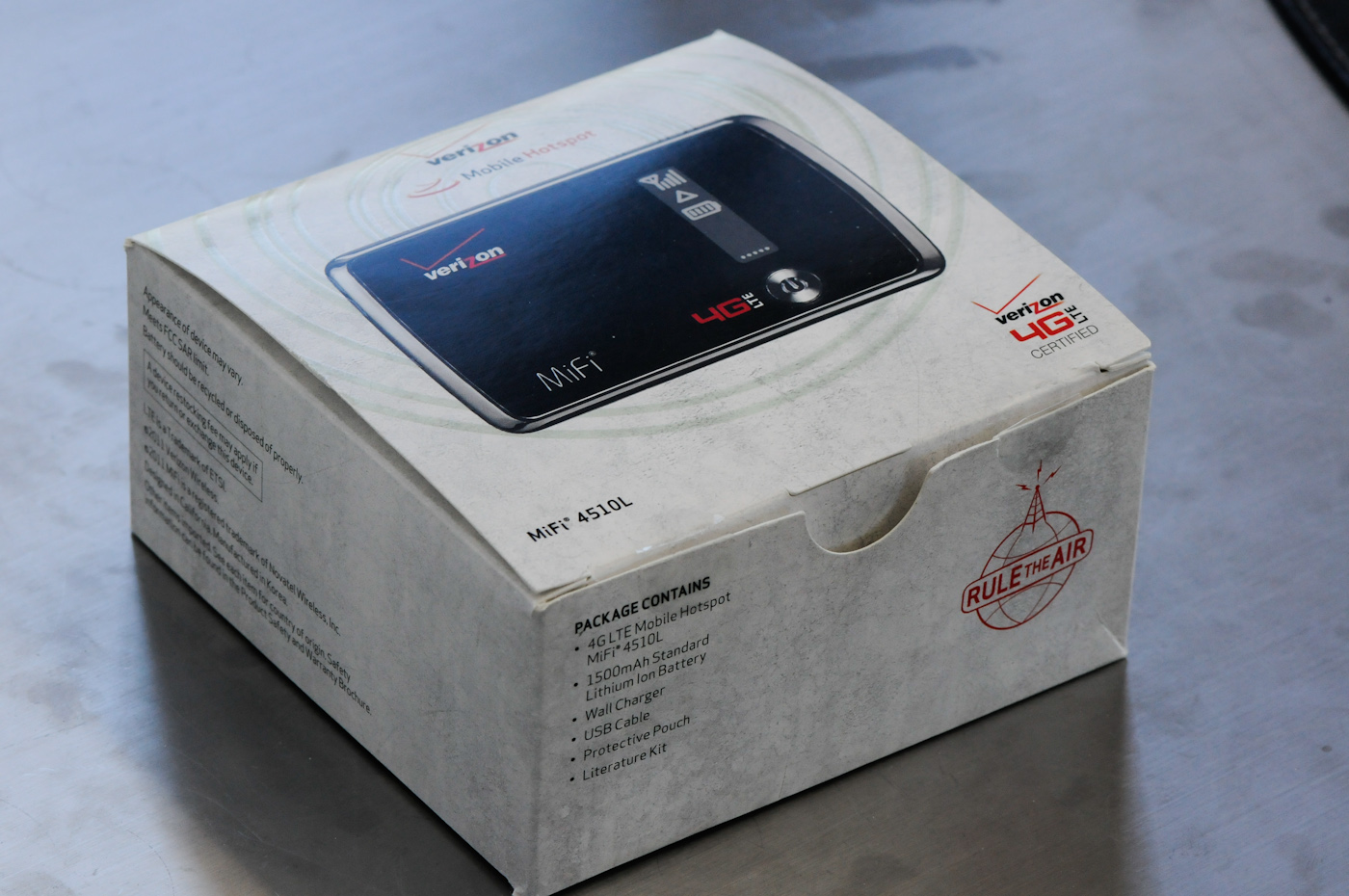
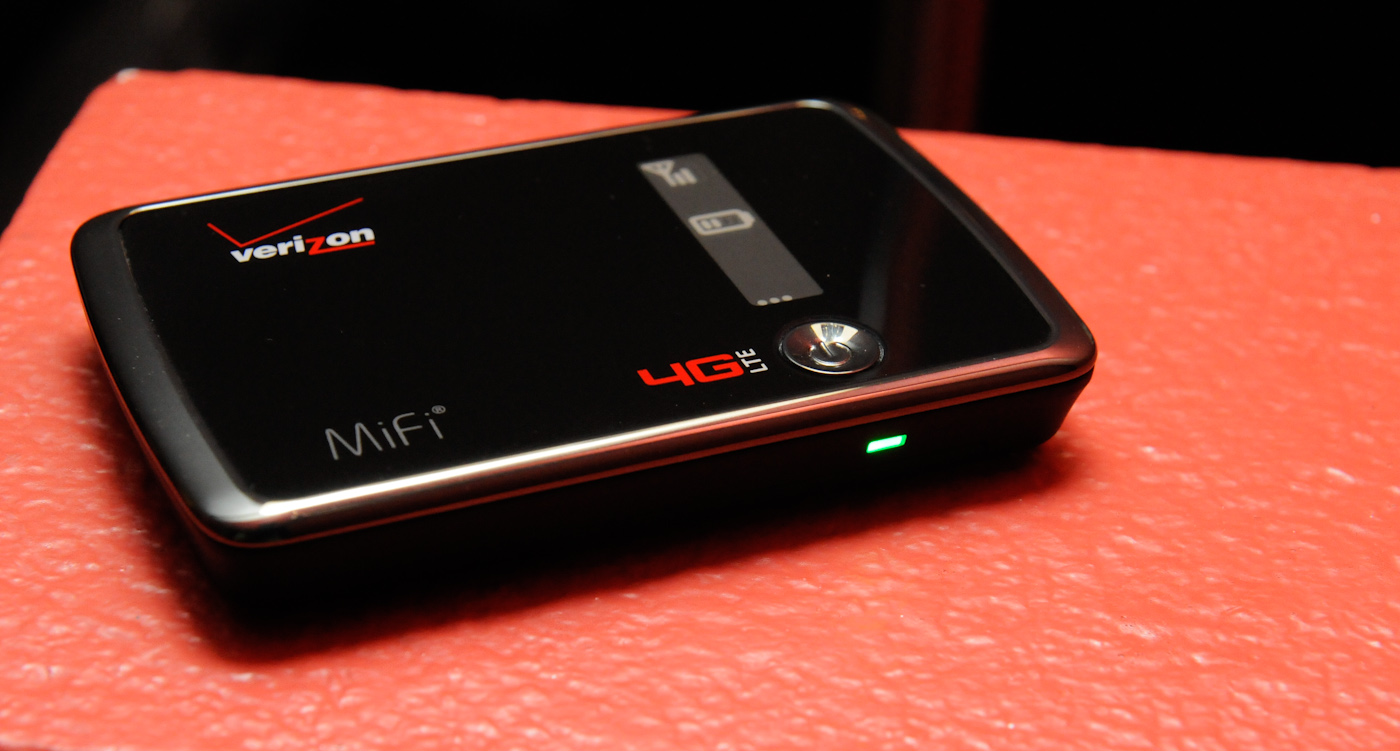
Novatel Wireless MiFi 4510L Review - The Best 4G LTE WiFi Hotspot

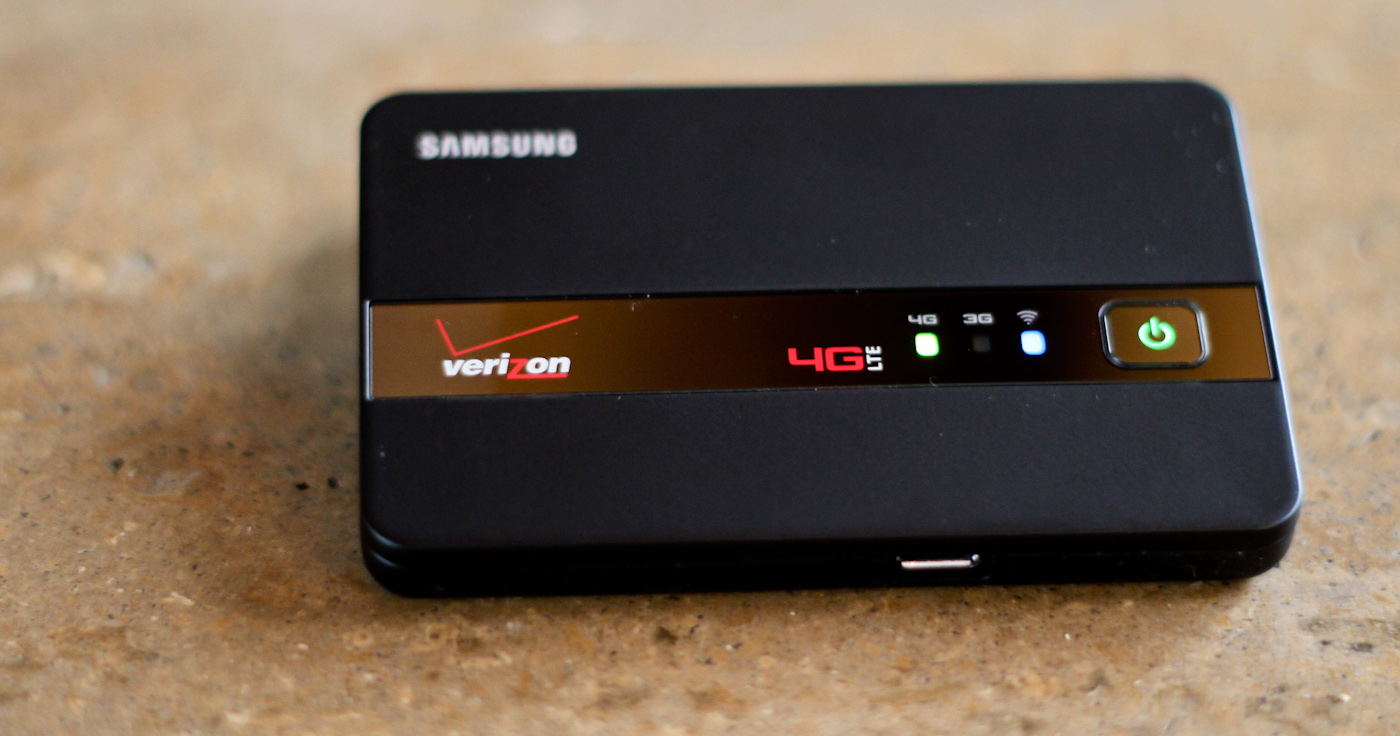
A while back we explored almost all of Verizon’s 4G LTE network launch hardware - two USB modems, the Samsung SCH-LC11 hotspot, and the HTC Thunderbolt, to be exact. Since then, one more WiFi hotspot product has launched which we’ve been playing with for a long time, the MiFi 4510L from Novatel Wireless. The SCH-LC11 was a decent hotspot but still didn’t quite nail everything.


It’s pretty amazing to me how Novatel Wireless’ MiFi brand quickly became so synonymous with portable cellular hotspots. The MiFi 2200 is an iconic product that pops up just about everywhere and has enjoyed well-deserved, almost unchallenged success on practically every single CDMA2000 carrier in the US. For many smartphone users, using things like WMWifiRouter and other similar software tools (long before Android added its own wireless AP) that made a smartphone into a portable WiFi access point were old hat, but Novatel’s MiFi was a nicely packaged solution that was much easier to swallow. Novatel has kept the MiFi updated, but has primarily focused on versions with exclusively 3GPP (GSM/UMTS) connectivity. The deployment of Verizon’s 4G LTE network thus necessitated another update, and Novatel’s answer is the MiFi 4510L, which includes support for the carrier’s 700 MHz LTE and 1900 / 800 1x/EvDO Rev.A networks.


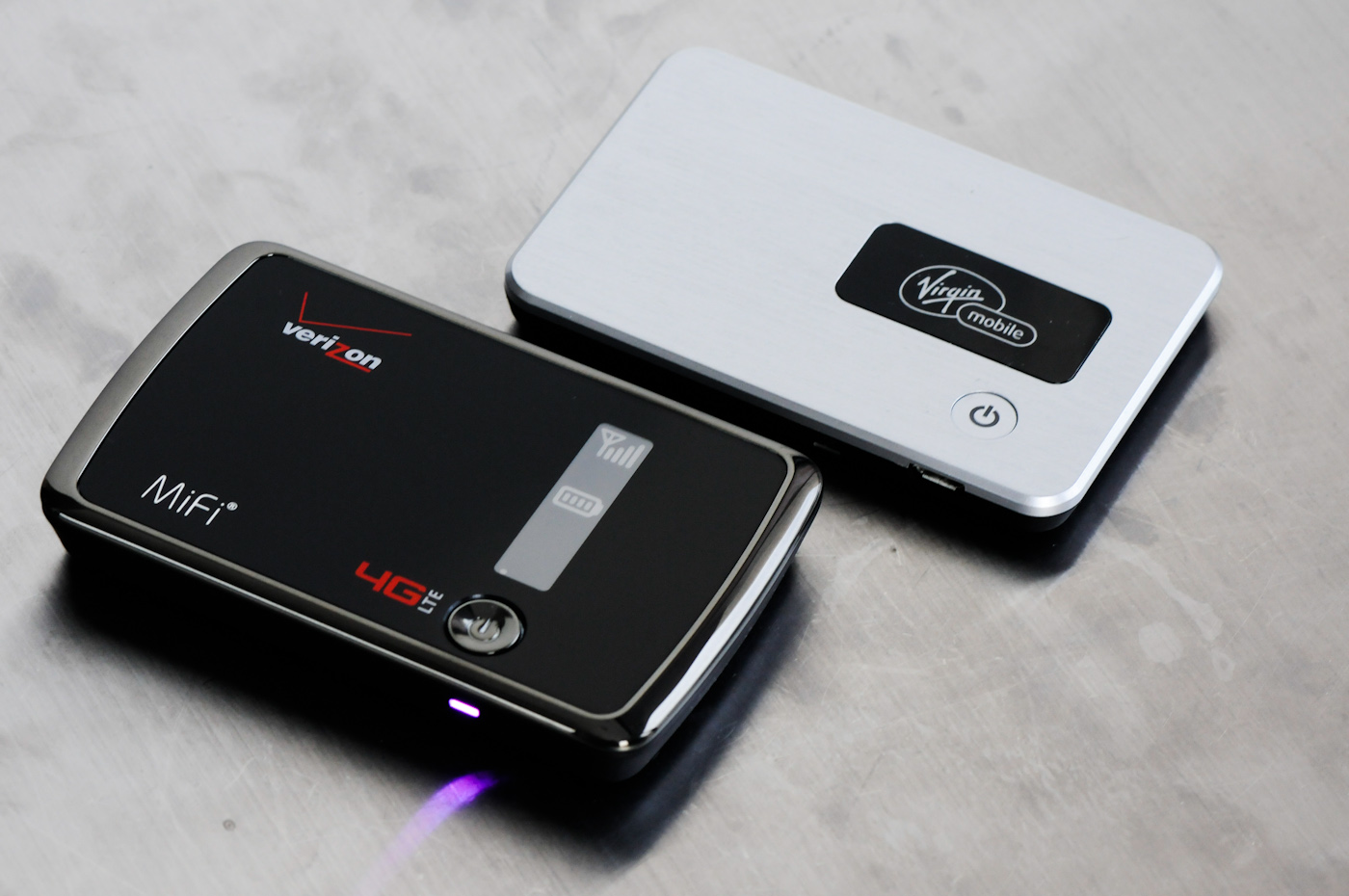
The LTE-enabled MiFi 4510L next to its older sibling, the MiFi 2200

I was a bit surprised to see Novatel beaten at launch time by Samsung, whose SCH-LC11 hotspot we reviewed came before the MiFi variant by a fair margin. At the time, I was satisfied with the SCH-LC11 but still looking for a few additional important things. Chief among those were 5 GHz 802.11a/n support, ability to change between using the device as a modem or charge when connected over USB, GPS support, and more customization options inside the web control pages.


Samsung's SCH-LC11 hotspot

Unfortunately the MiFi 4510L doesn’t really bring anything different on those fronts, and as we’ll see in a moment actually is based around the exact same combination of MDM9600 baseband and WCN1312 WLAN with no discrete applications processor.

First things first, and that’s how the MiFi 4510L compares physically to its predecessor, and the SCH-LC11. Unfortunately, the SCH-LC11 had to go back to Verizon before the MiFi 4510L came, so I don’t have any side by side shots with that device, however the table below tells the story of how the two compare when it comes to size and weight.

Portable Hotspot Comparison
  Novatel Wireless MiFi 2200 Samsung SCH-LC11 Novatel Wireless MiFi4510L
Height 59 mm (2.32") 59 mm (2.32") 60 mm (2.36")
Width 89 mm (3.50") 90 mm (3.54") 95 mm (3.74")
Depth 8.8 mm (0.35") 11 mm (0.43") 13 mm (0.53")
Weight 59 g (2.08 oz) 81.5 g (2.87 oz) 88.6 g (3.13 oz)
Network Support 800 / 1900 (1x/EvDO Rev.A/0) 700 MHz (LTE), 800 / 1900 (1x/EvDO Rev.A/0) 700 MHz (LTE), 800 / 1900 (1x/EvDO Rev.A/0)
Battery Size Removable 4.25 Whr Removable 5.55 Whr Removable 5.6 Whr

It’s clear to me that the original MiFi 2200 is still the form factor to beat, leading both in overall package volume, and weight. The move to LTE has necessitated both a PCB that spans the entire length of the board, and a larger battery, and that definitely shows.

Related Posts Plugin for WordPress, Blogger...
Powered by Blogger.